Welcome to
the SDGs FIS UM
Portal
About SDGs
The Sustainable Development Goals (SDGs) are a global action plan agreed by world leaders, including Indonesia, to end poverty, reduce inequality and protect the environment. The SDGs contain 17 Goals and 169 Targets that are expected to be achieved by 2030.

SDGs Events
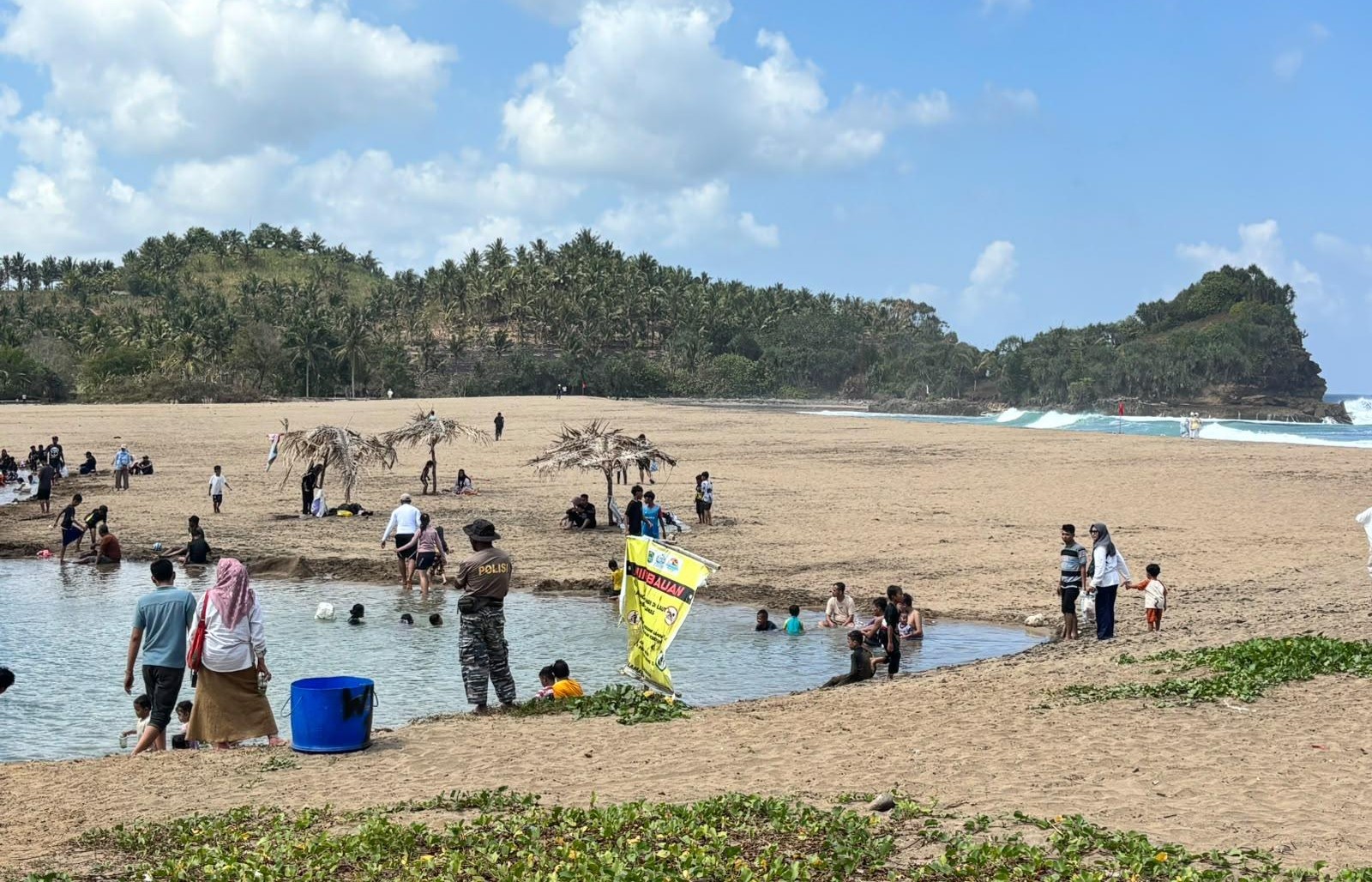
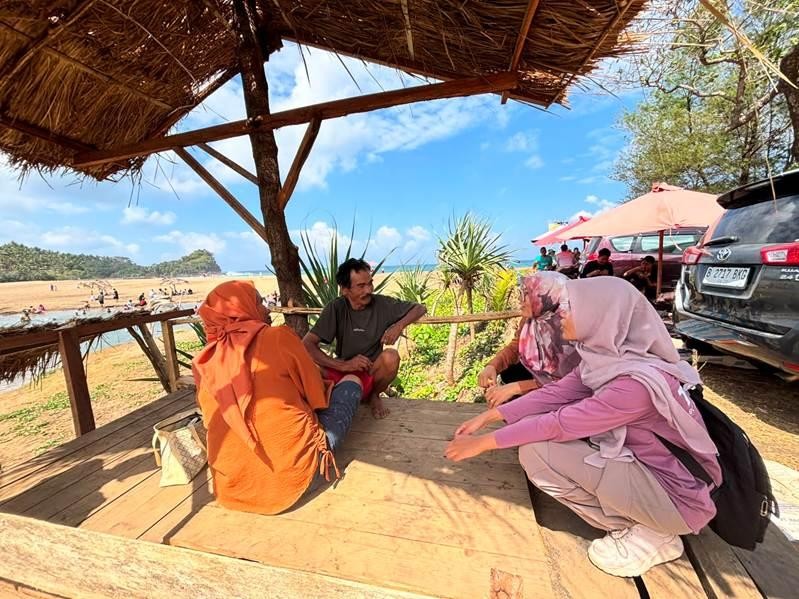
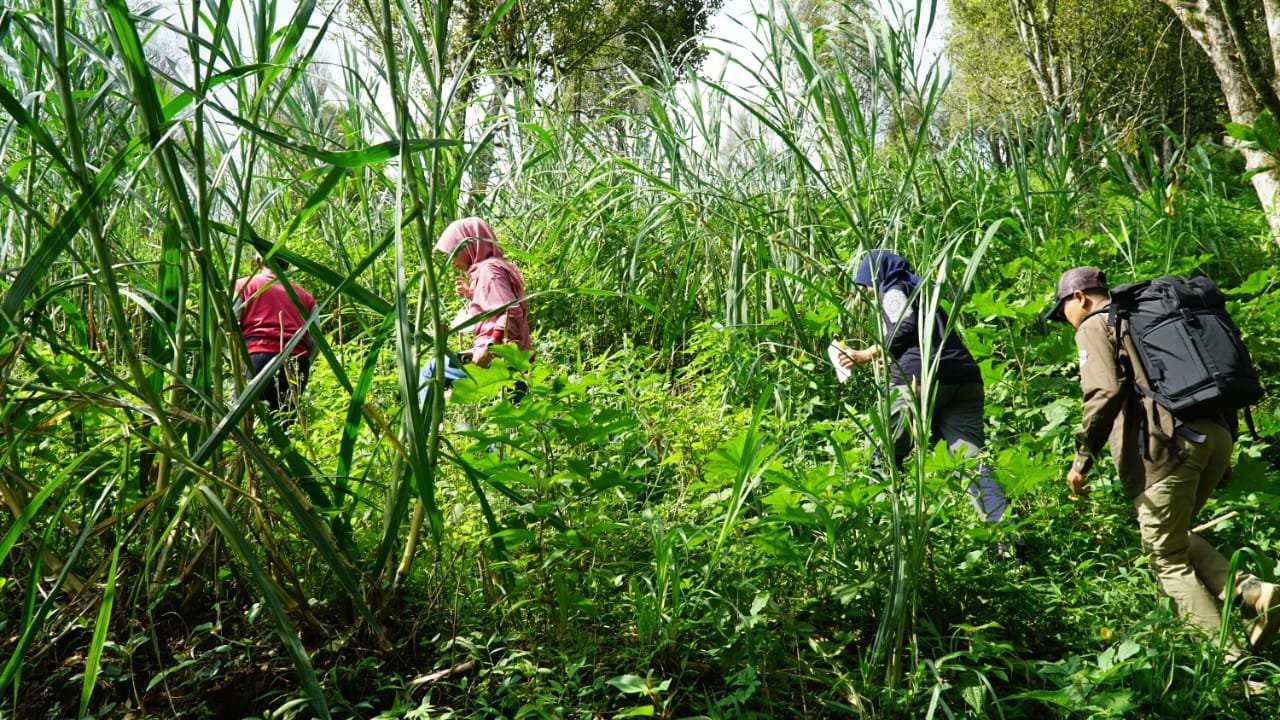
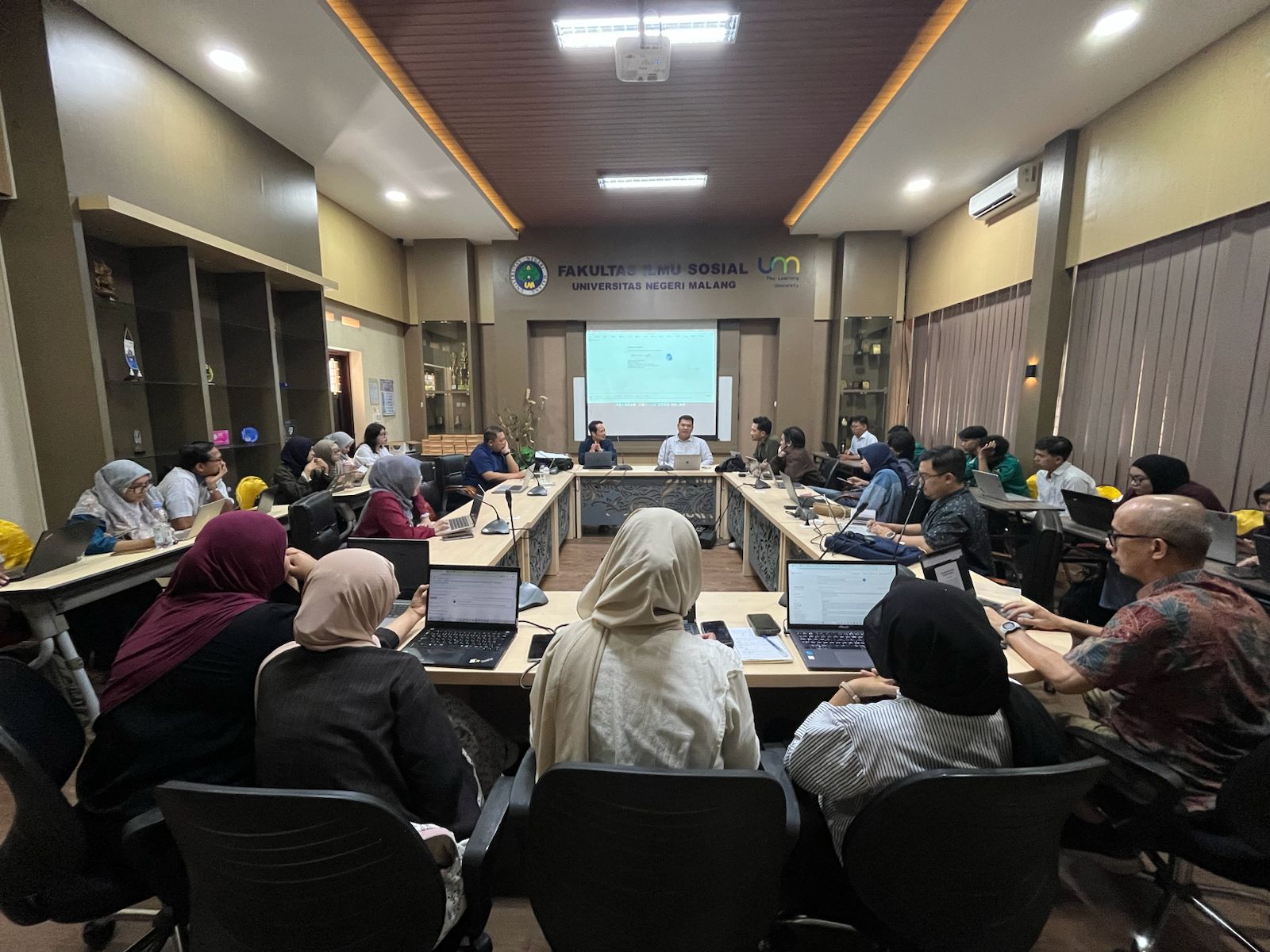


Memahami Militansi Sosio-Ekologis: Analisis Kasus Pesisir Jawa Timur Bersama Tim Riset UM
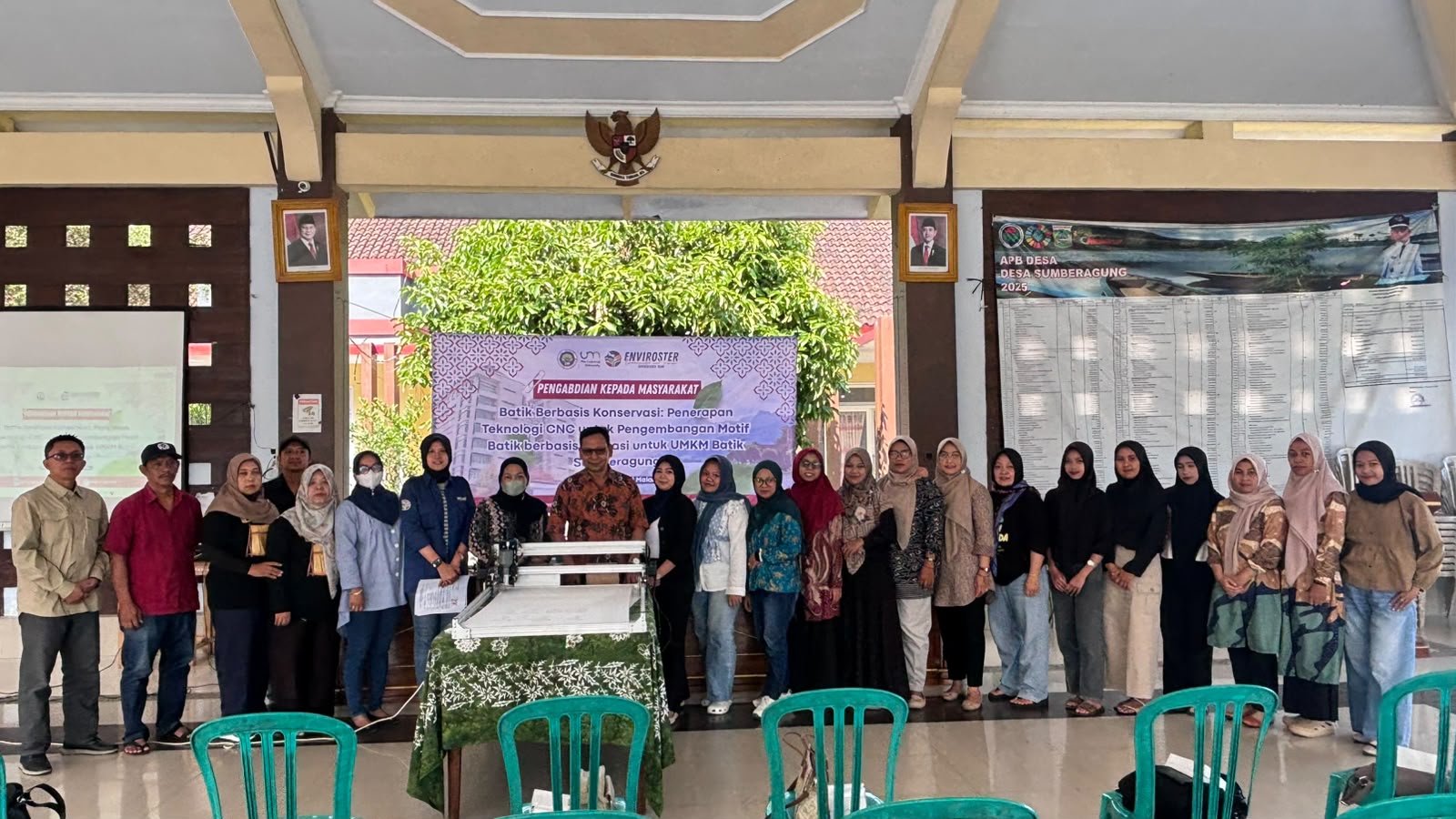
Malang Selatan – Kawasan pesisir merupakan ruang yang mempertemukan berbagai kepentingan, mulai dari pemanfaatan sumber daya alam, aktivitas ekonomi masyarakat, konservasi lingkungan, hingga kebijakan pembangunan. Di balik keindahan bentang alamnya, kawasan pesisir...

Pantau Pesisir Malang Selatan, UM Siapkan Strategi Pengembangan Pantai Wonogoro
Universitas Negeri Malang (UM) melalui kegiatan observasi lapangan melaksanakan pemantauan kawasan pesisir Malang Selatan di Pantai Wonogoro, Desa Tumpakrejo, Kecamatan Gedangan, Kabupaten Malang. Kegiatan ini bertujuan mengidentifikasi potensi wisata, kondisi...
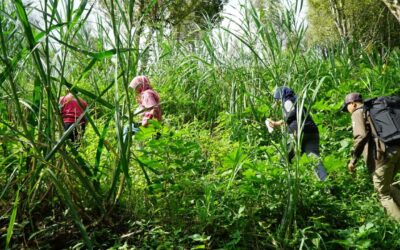
Padukan Drone dan Kekuatan Akar Tanaman untuk Kaji Stabilitas Lereng di Trenggalek
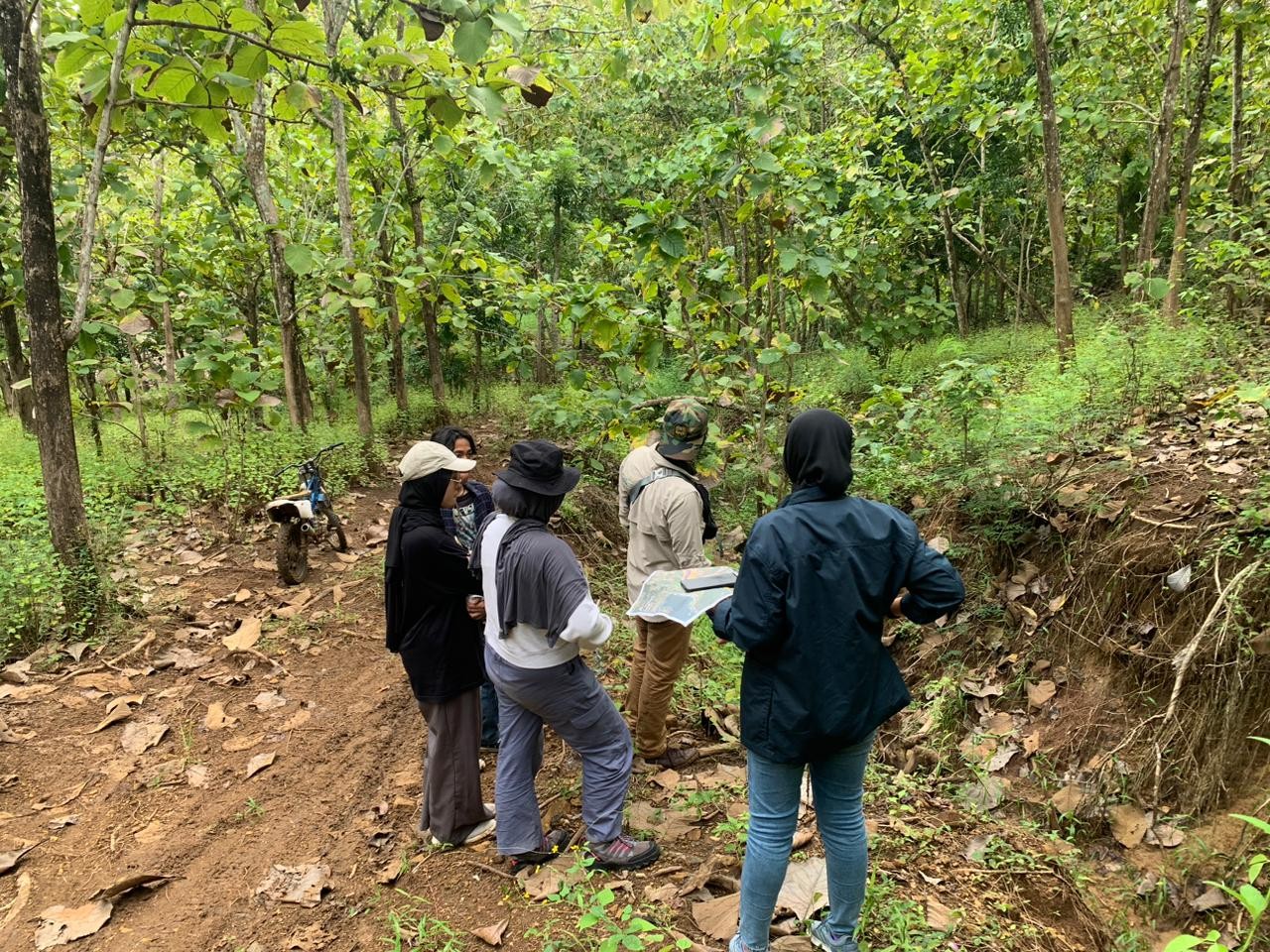
TRENGGALEK — Ketua Tim peneliti Dr. Heni Masruroh, M.Sc. mengembangkan model stabilitas lereng dengan memadukan teknologi pesawat nirawak (UAV) dan pendekatan mekanika akar tanaman. Trenggalek dikenal memiliki topografi didominasi perbukitan dengan lereng curam dan...
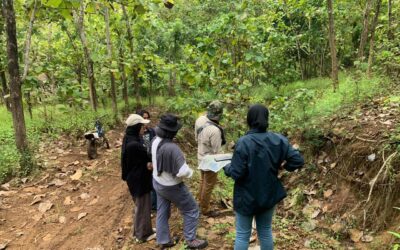
Tim Peneliti Bedah Longsor di KHDTK Malang Selatan dengan Drone hingga Geolistrik
Survei terpadu memadukan pemetaan udara nirawak, pengukuran RTK, dan pencitraan bawah permukaan untuk memetakan risiko dan menyusun mitigasi bencana. MALANG SELATAN tim peneliti yang dipimpin Dr. Heni Masruroh, M.Sc. melakukan investigasi lapangan terhadap longsor...
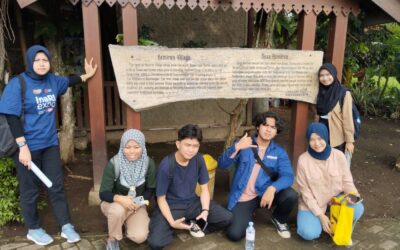
Peneliti Kembangkan Platform Geo-Visualisasi untuk Perkuat Komunikasi Risiko Bencana di Banyuwangi
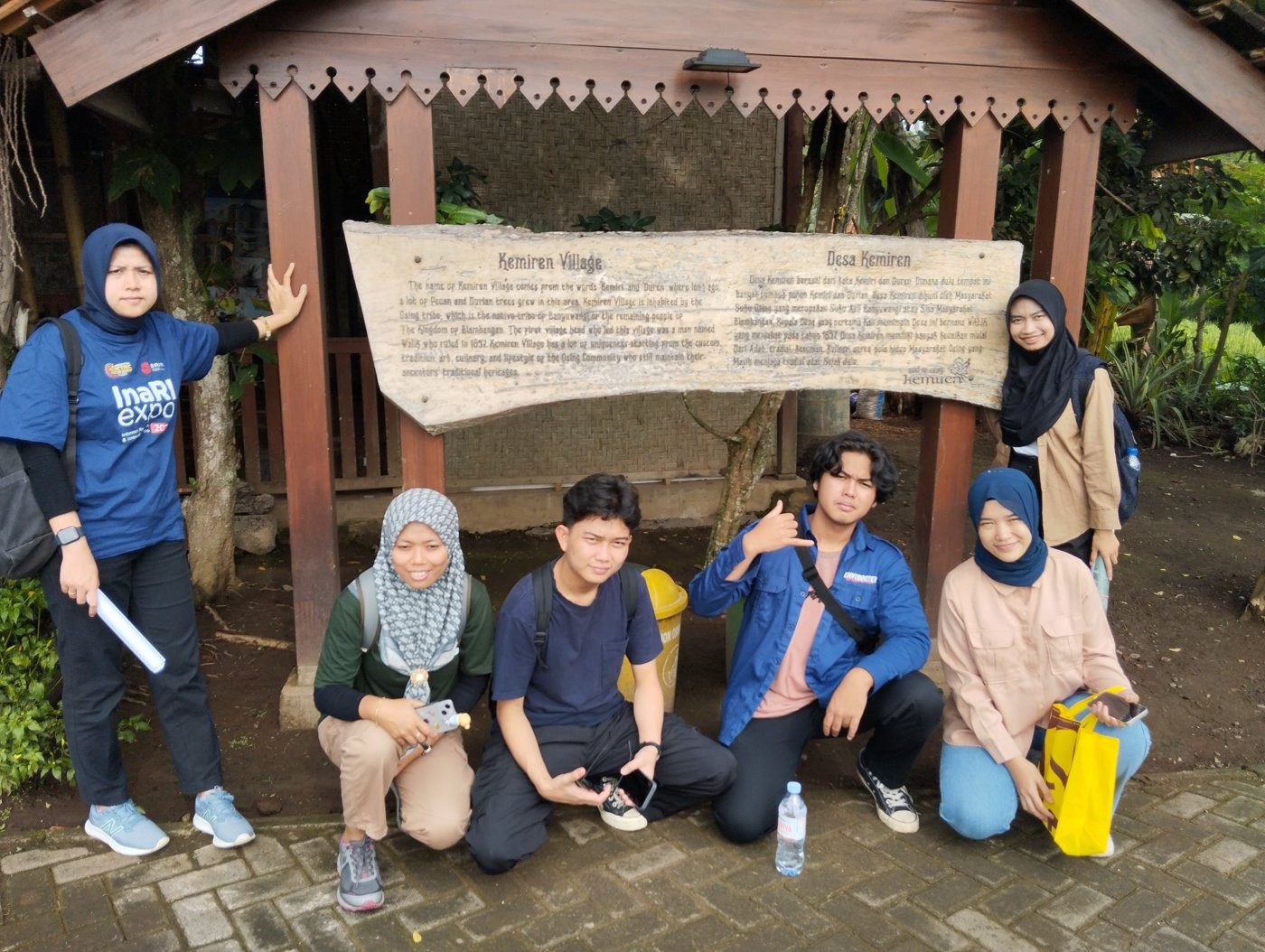
BANYUWANGI — Tim peneliti yang diketuai oleh Dr. Heni Masruroh, M.Sc. tengah mengembangkan platform geo-visualisasi berbasis lanskap multirawan bencana untuk memperkuat komunikasi risiko kepada masyarakat. Riset bertajuk “Pengembangan Platform Geo-Visualisasi Berbasis...
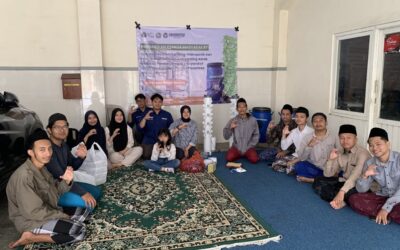
Inovasi Hijau di Pondok Pesantren: Integrasi Hidroponik Vertikal dan Komposting Aerob untuk Ketahanan Pangan
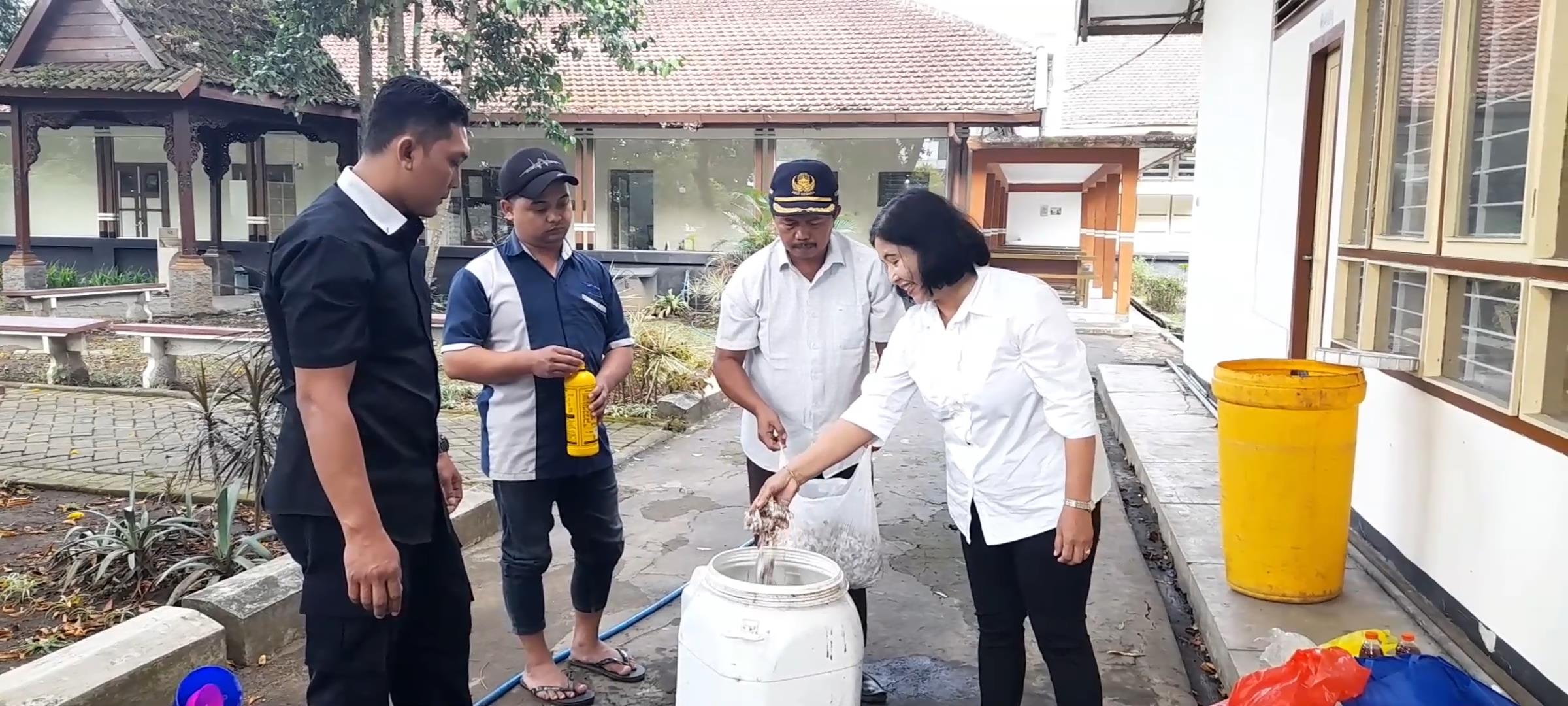
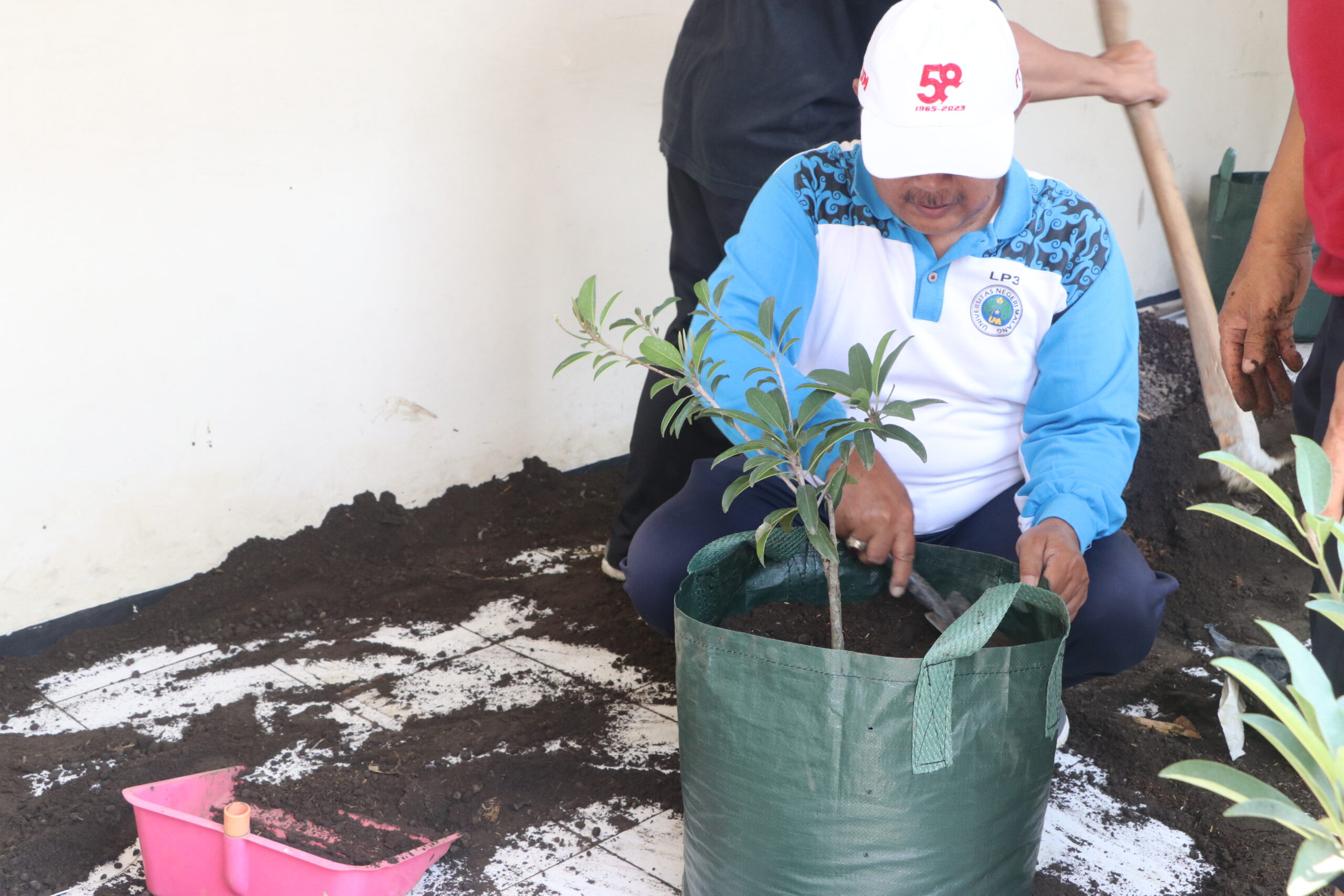
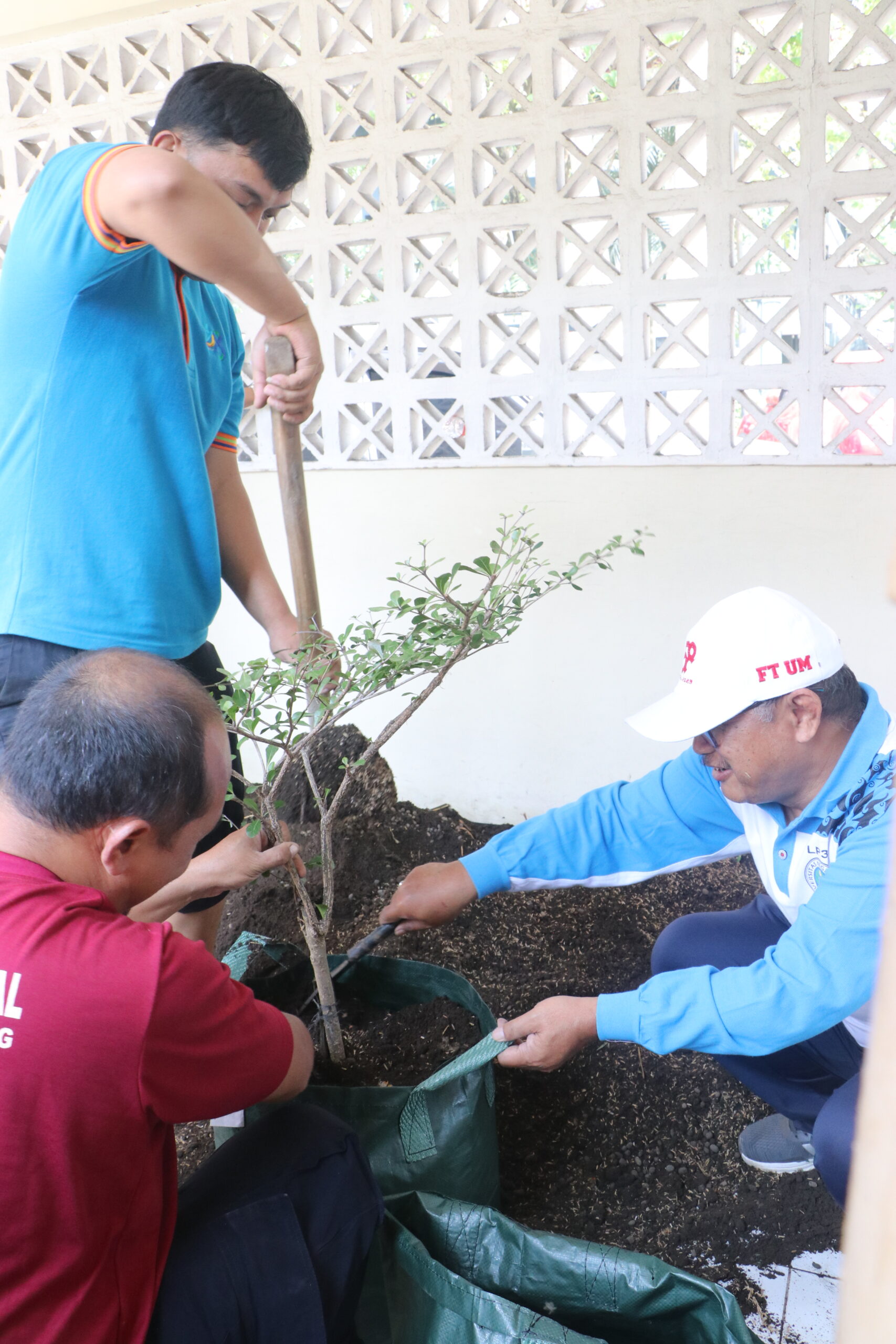
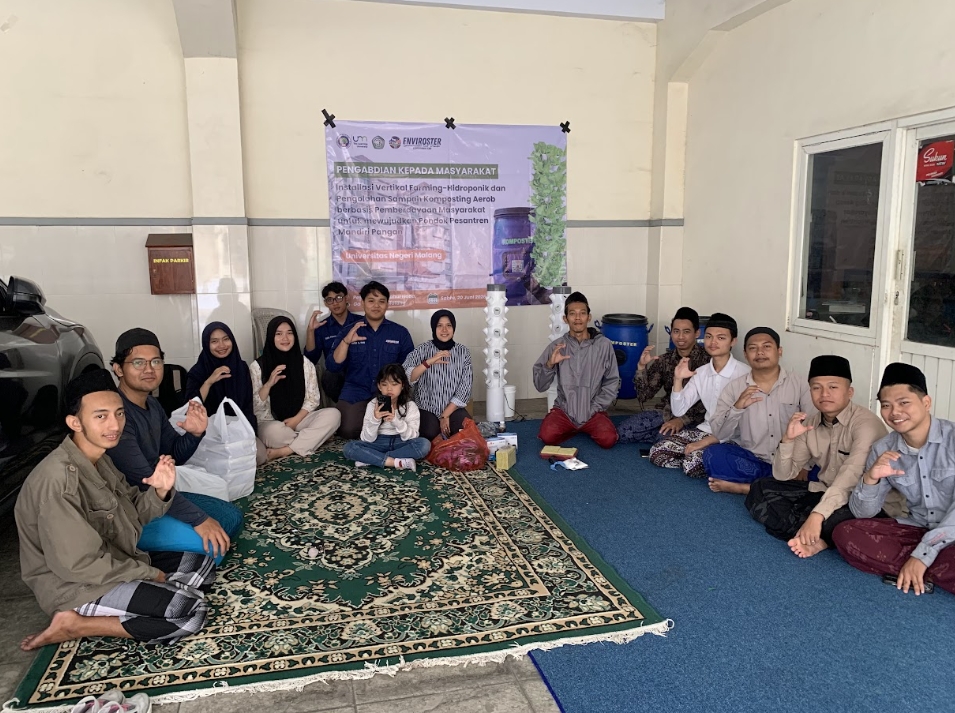
Pada tanggal 20 Juni 2026, tim pengabdian kepada masyarakat yang diketuai oleh Dr. Heni Masruroh, M.Sc. melaksanakan kegiatan bertajuk "Instalasi Vertikal Farming-Hidroponik dan Pengolahan Sampah Komposting Aerob untuk Mewujudkan Pondok Pesantren Mandiri Pangan" di...
17 Sustainable Development Goals (SDGs)

4 main focus SDGs of the Faculty of Social Sciences
Road Map SDGs
Fakultas Ilmu Sosial
SDG 11 : Sustainable Cities and Communities
(Kota dan Komunitas yang Berkelanjutan)
FIS UM is committed to developing research and programs that support sustainable city and community development. We will conduct in-depth research on environmentally friendly city planning, develop sustainable community models, and hold training and workshops for the community on urban environmental management. In addition, we will collaborate with local governments on urban revitalization projects and introduce special courses on sustainable urban planning. In this way, FIS UM strives to encourage the creation of communities that are inclusive, safe, resilient and sustainable.
(Ekosistem Lautan)
To protect and preserve marine ecosystems, FIS UM will focus on research, education and real action. The faculty will develop research on marine biodiversity, coastal ecosystems, and the impact of marine pollution, as well as develop marine monitoring and conservation technology. In addition, FIS UM will hold marine conservation activities with local communities and non-governmental organizations, including beach cleaning and coral reef rehabilitation initiatives. Marine education is also a focus, with increasing awareness of the importance of marine ecosystems through educational programs in schools and communities, as well as developing marine science and marine ecosystem curricula.
SDG 15: Life on Land
(Ekosistem Daratan)
In an effort to promote sustainable land use and protect terrestrial biodiversity, FIS UM will conduct research on endemic species and forest ecosystems and develop a local biodiversity database. The faculty also plans to carry out greening initiatives and rehabilitation of critical land around campus and other areas in need, in collaboration with the government and environmental organizations. Environmental education is an important part of this roadmap, with the integration of material on biodiversity and conservation in the curriculum, as well as the implementation of field activities and student research projects related to terrestrial ecosystems.
SDG 16: Peace, Justice, and Strong Institutions
(Perdamaian, Keadilan, dan Kelembagaan yang Kuat)
FIS UM is committed to promoting peace, justice, and strong institutions through research and public policy advocacy that supports social justice. We will develop advocacy programs for human rights and justice, as well as provide courses in law and public policy focused on justice and peace. Training for students on mediation and conflict resolution will be held, accompanied by institutional strengthening programs in local communities and legal and human rights awareness campaigns. Cooperation with legal and human rights institutions as well as collaboration with the government and NGOs in institutional development projects will be strengthened to ensure the success of this program.
SDGs Gallery